

Scott and the team are brilliant, this is the second time we have worked with them and they are outstanding. Highly recommend.
Thomas Banyard - Headmaster: King's College International School Bangkok
Classes Taught
0
Hours Taught
0
People Trained
0
Lives Saved
0
First Aid Training in Bangkok and throughout Thailand
Thailand's FIRST fulltime International CPR & First Aid Training Company Since 2009
Internationally
Recognized
The only EFR Center to be internationally recognized and awarded by EFR/PADI Asia Pacific
International
Standards
All of our CPR & First Aid Training follow the latest international standards
More Than 20,000+
Satisfied Clients
With over 10 years in the field and more than 17,000 happy clients, we are Thailands #1 Certifying First Aid Training Company.
What people are saying about us - Testimonials
Scott and the team are brilliant, this is the second time we have worked with them and they are outstanding. Highly recommend.
Thomas Banyard - Headmaster: King's College International School Bangkok
First Aid Training courses in Bangkok and throughout Thailand
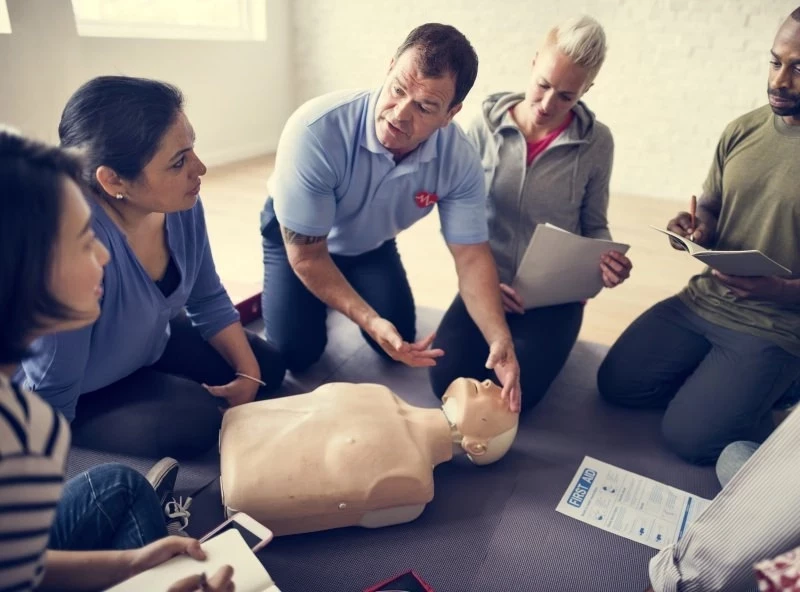
We Empower People To Save Lives
Since 2009, First Aid Training Bangkok has been the #1 CPR Certification (Cert) and First Aid Training Provider in Thailand. We offer training in Bangkok, all throughout Thailand, and Southeast Asia.
We provide the latest international guidelines in emergency care, safety, and First Aid Training for individuals, organizations, and companies.
We follow the latest international guidelines and protocols so that we will not only meet your needs and expectactions, but that we will exceed them.
We offer three convenient ways to train with us:
-
We can provide “on-site” CPR certifications and First Aid courses training at your location in and around Bangkok, and anywhere in Thailand.
-
Internationally recognized courses may be available with a combined online eLearning theory and in-person hands-on training.
- If you don’t have enough room, we can coordinate training at our location, or at one of our hospitality partner’s venues. *Additional cost apply.
Do you need a custom tailored training course? With our extensive professional backgrounds in Emergency and Trauma Care we have the expertise to put together a completely tailored course just for your team.
Contact us and we can explore your training needs and then put together tailored courses just for you.
We can discuss your training needs and then put together tailored courses just for you.
Corporate - CPR First Aid Training AED

First Aid Training
First Aid at Work: CPR & First Aid Training in Bangkok and throughout Thailand
Starting From
8,900฿


First Aid Training
Primary & Secondary Care: CPR & First Aid Training with AED Course
Starting From
8,900฿

Individual - CPR First Aid Training AED


Lifeguard Training

Safety Courses


Fire Safety Training

Visit our Online Store to make your First Aid Purchase
We aim to supply the best range of first aid kits and student study materials in Thailand.
Contact one of the leading suppliers of home equipment and workplace medical products at competitive prices.
Our first aid supply shop is now fully operational and ready to serve both businesses and individuals alike. We understand the importance of having access to high-quality first aid products, and we're committed to ensuring that our customers receive the best value on the market.
Our extensive range of first aid supplies is carefully curated to meet a variety of needs, whether you're stocking up for your workplace or ensuring the safety of your family at home.
We take pride in offering top-notch products that are not only effective but also budget-friendly. Shopping online has never been easier, and our user-friendly platform makes it convenient for you to browse, select, and purchase the essential first aid items you need.
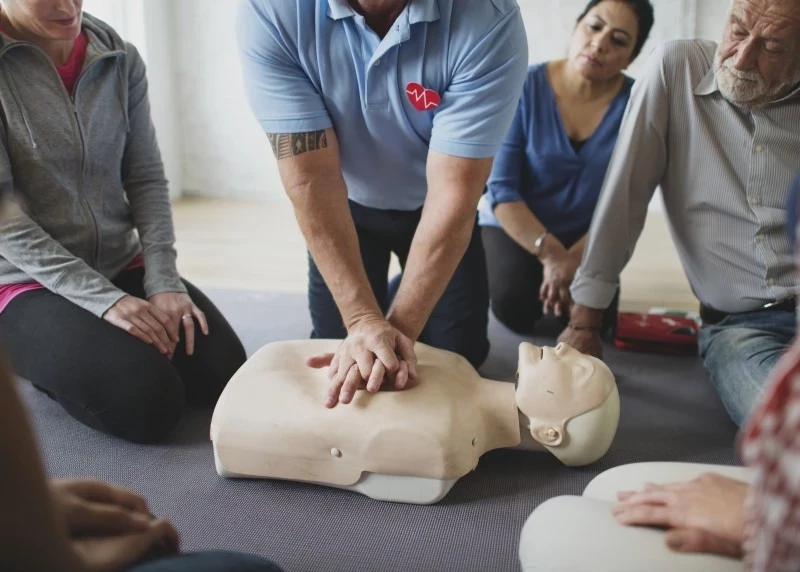


Product Showcase
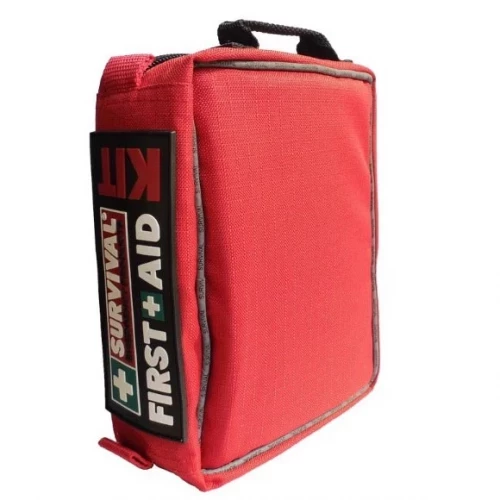
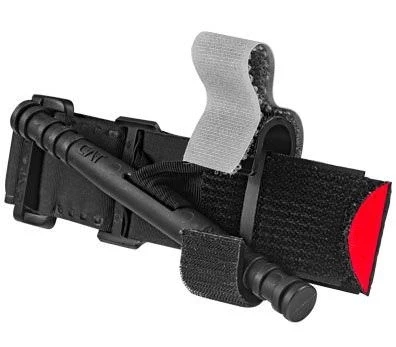
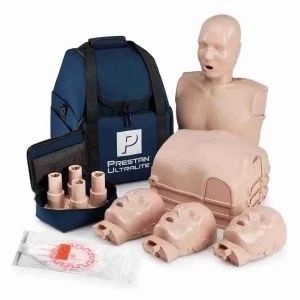
CPR Manikins & Supplies
Prestan Professional Adult Ultralite CPR Training Manikins - 4-Pack with Carry Bag
Contact for special discount prices









Our Story
Thailand's #1 First Aid Training Company
The public health and safety guidelines in Thailand have improved tremendously since we started teaching first aid courses in Phuket around 15 years ago. Our CPR certificates predominantly served to meet the prerequisites for rescue divers and dive leaders in the scuba industry. PADI scuba training organization recommends its affiliate company Emergency First Response for all life-saving courses.
We attained the coveted PADI Master Scuba Instructor award in 2004 followed by the EFR Instructor Trainer rating in 2006. This advancement allows us to conduct courses and certify first aid students up to instructor level – often called train the trainer program.
In 2009 we experimented with a new first aid website totally independent of scuba diving. We dedicated this simple site to customers searching the internet for flexible convenient training resulting in an international CPR and first aid certificate. The response was incredible. We underestimated how much demand there is for emergency medical one-day training classes in Thailand. Learn more about the current Good Samaritan Laws and legal responsibilities in Thailand.
Articles · News · Information
First Aid Training Blog
Dive into our blog section to access a wealth of knowledge, tips, and updates on emergency management, safety, and industry trends.
Stay informed and prepared with our thought-provoking articles written by our experts in the field.

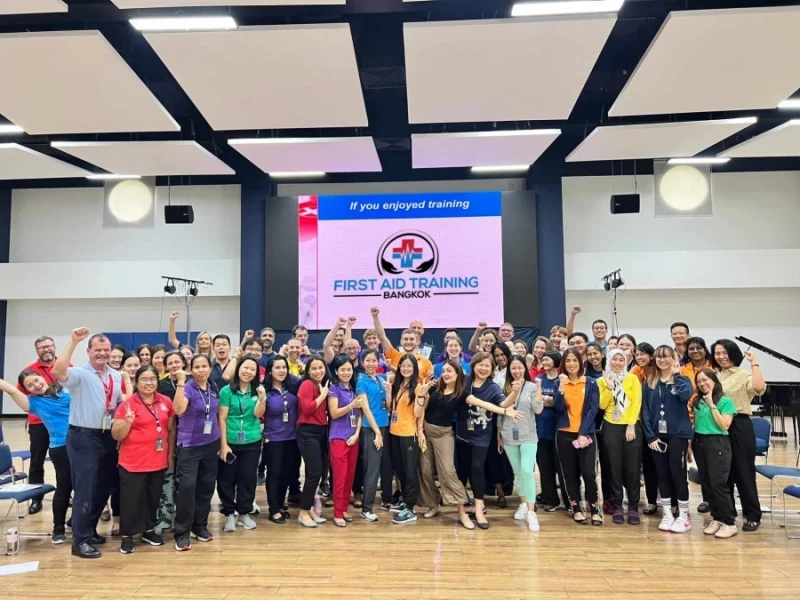
First Aid Training Bangkok in Action
Established in 2009, we became Thailand’s first full-time CPR & First Aid Training Company to offer international level certifications, in both Thai & English language.

King's College International School Bangkok
Congratulations to King’s College International School Bangkok Educators for becoming RESCUE READY!
Stop The Bleed Ambassador
Being selected as a STOP THE BLEED Ambassador for Thailand for the second year in a row is such an honor and opportunity to give back more to my community!
Schedule A Call
Complimentary Shipping
Enjoy zero shipping fees when you order online, delivered straight to your doorstep.
Satisfaction Guaranteed
We are committed to ensuring you're completely satisfied with your purchase.
Expert Customer Support
Need help choosing the perfect product? Reach out to us; we're always here to assist.
Secure Payment Options
Rest easy with our secure payment methods, including Credit Card, & Promptpay.

Cart
Get a Quote